Catalyzing Our Corridors: Deploying Predevelopment Capital to Build from Within
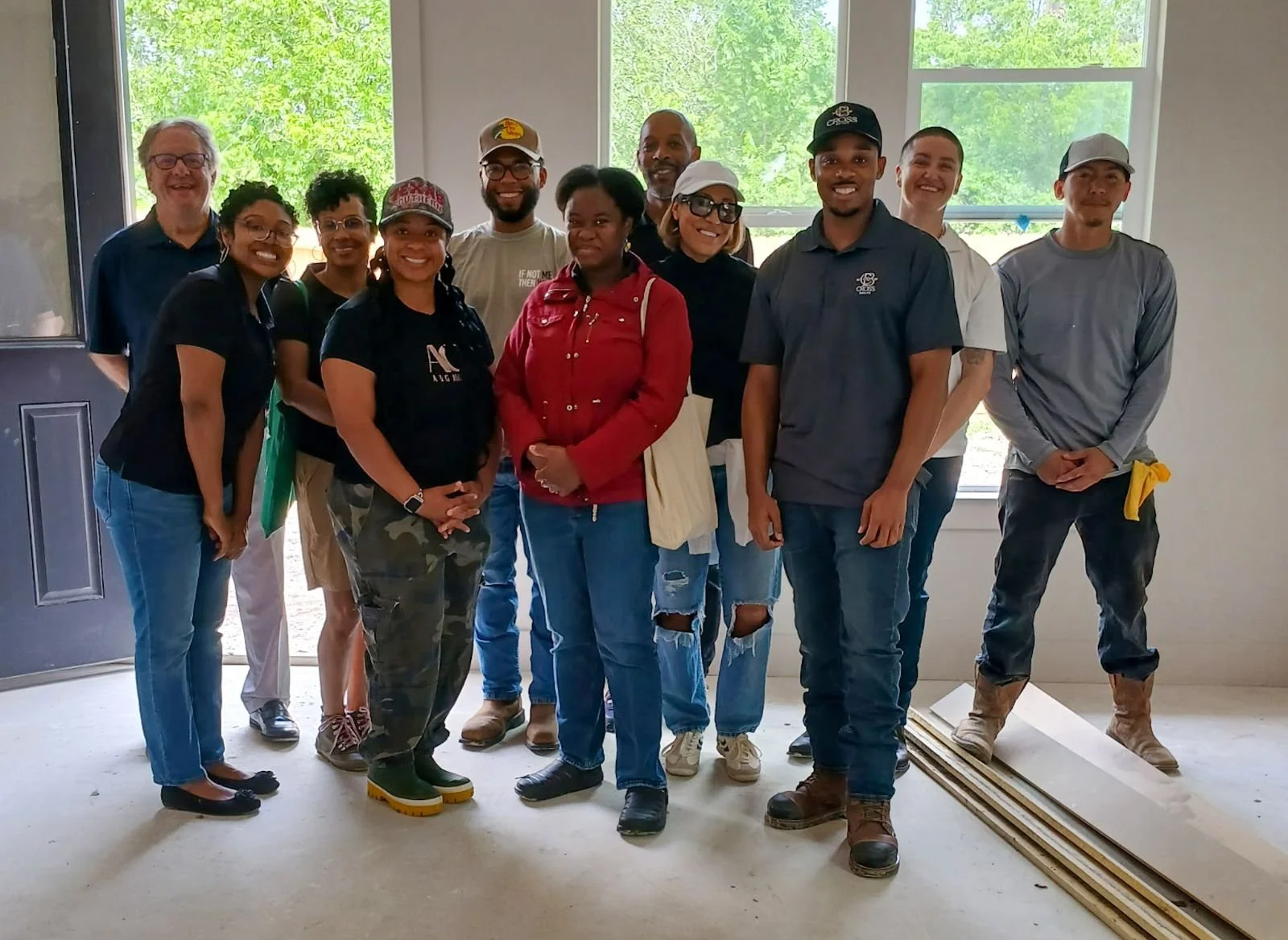
At the Third Ward Real Estate Council (TWREC), our mission has always been anchored in a simple, powerful truth: to preserve our neighborhood’s historical culture and secure our place in its future, we must become its builders. Whether through our hands-on Accelerator Program or our community-driven Lot Activation initiatives, we consistently work to provide local residents and stakeholders with the tools for small-scale, incremental development.
Today, we are thrilled to share the next major step in our ongoing "Do the Things That Matter" campaign.
Thanks to a continued commitment from our council, we have successfully identified a dedicated pool of capital specifically for the predevelopment and early-stage construction of "missing middle" housing and neighborhood-scale commercial developments. These funds are not just short-term injections; they are designed to serve as catalytic capital. By deploying these resources strategically, we aim to establish a proof of concept that helps us raise a much broader fund. This larger fund will concentrate investment into a single, targeted geographic area—directly supporting our Connecting Corridors Initiative and building out our long-term strategic plan.
Breaking Down the Predevelopment Hurdle
For local, neighborhood-scale developers, the path from a great vision to breaking ground is often blocked by upfront financial friction. Long before a traditional bank will approve a commercial construction loan, a developer must navigate a web of costly "soft costs."
To address this exact pain point, our new funding program allows capital to be used for:
Property Acquisition: Securing crucial land and assets before they are lost to speculative, out-of-market buyers.
Professional Fees: Covering the essential architectural, engineering, environmental, and legal costs that represent the primary hurdle to securing city permits and final financing.
Building a sustainable local development ecosystem requires this exact type of early-stage flexibility. Academic research heavily supports this approach. Studies on urban revitalization demonstrate that creating highly localized "development ecosystems"—where capital is paired with technical support—is one of the most effective tools for community-led economic resilience. According to community development frameworks, providing early-stage, patient capital allows local stakeholders to overcome systemic barriers to entry, effectively shifting the paradigm from top-down gentrification to inclusive, community-embedded growth.
Concentrated Capital for Measurable Impact
A core element of this initiative is geographic concentration. Rather than spreading these resources thinly across the region, we are anchoring this capital within our designated corridors.
This strategy is strongly backed by urban planning research. Data shows that economic interventions in historically underserved neighborhoods yield the highest returns and long-term stability when investments are concentrated within a tight physical footprint, rather than fragmented across too large an area. By focusing our initial capital on these specific connecting corridors, we create visible, high-impact momentum that naturally attracts secondary private and philanthropic investment.
A National Platform for Local Scale
To ensure these funds are administered with the highest level of equity, transparency, and operational rigor, our leadership team is currently evaluating partnerships with expert consultants to oversee the fund's administration.
When the application window opens, applicants will be asked to share comprehensive project details alongside proof of a viable path forward to completion. We want to fund projects that are ready to make a tangible difference on the ground.
Because this initiative is a cornerstone of our "Do the Things That Matter" campaign, chosen projects will receive benefits far beyond the immediate capital. Selected developments will be featured in our annual Lookbook and highlighted across our national platform. This exposure is intentionally designed to put your work in front of institutional investors, foundations, and national partners—providing an ongoing pipeline to the broader capital necessary to scale your vision.
Just as we discussed in our previous entries regarding the Lost Spaces framework, transforming vacant land into vibrant neighborhood anchors requires an ecosystem that pairs capital with visibility. This funding model does both.
Get Ready: Sign Up for Notifications
We are finalizing the administrative details and application guidelines over the coming weeks. If you are a neighborhood developer, small business owner, or community stakeholder with a vision for missing-middle housing or neighborhood-scale retail along our target corridors, we want to hear from you.
Don't miss the opportunity to catalyze your project and anchor your footprint in our community's future.