Urbanism & The Corridor: Why Local Ownership is the Only Way Forward
In a rapidly shifting market, the difference between a neighborhood that thrives and one that is merely "developed" lies in who holds the keys. For those of us in the urbanist DIY space—the architects of the "missing middle," the rehabbers, and the local visionaries—the corridor is our primary field of play.
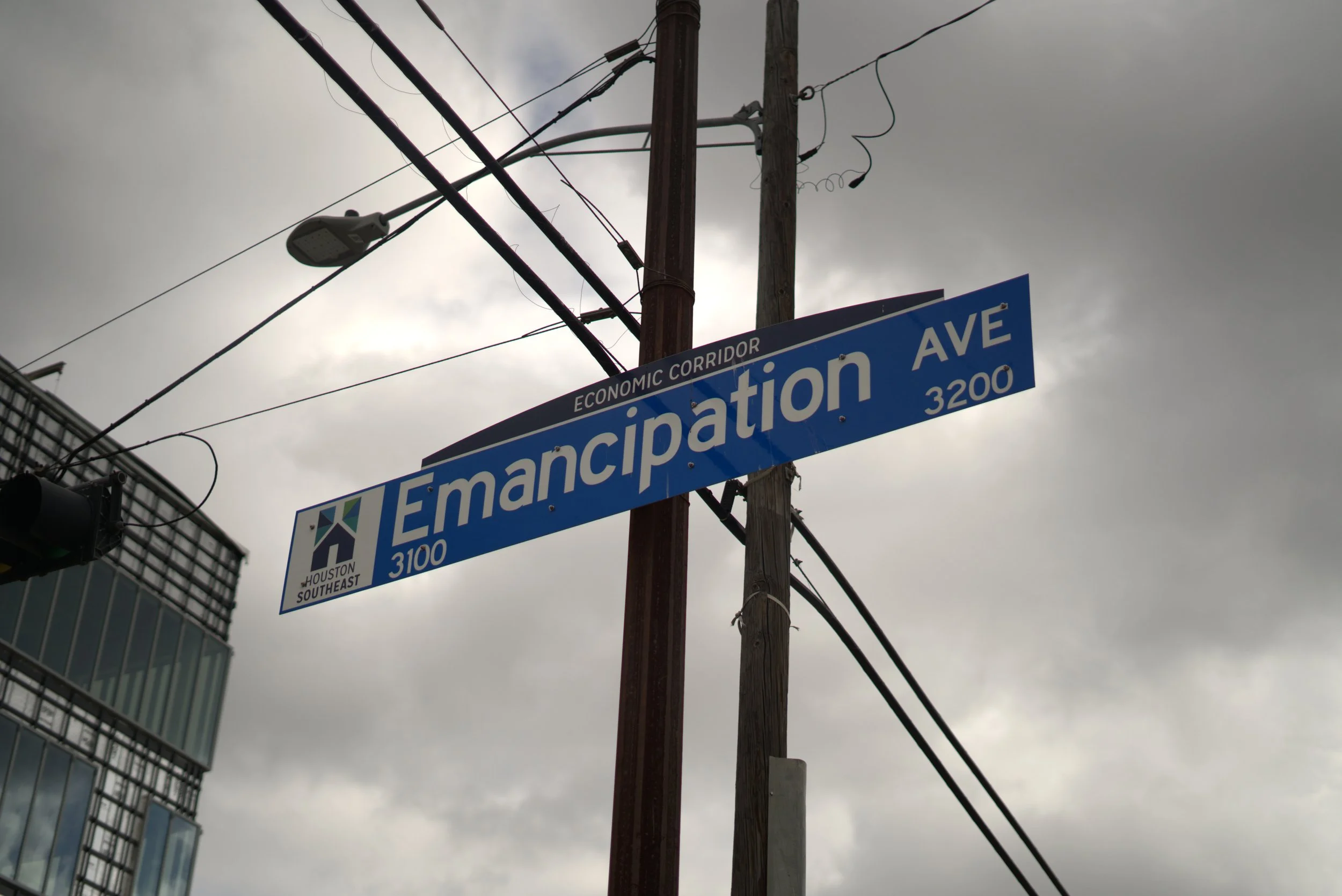
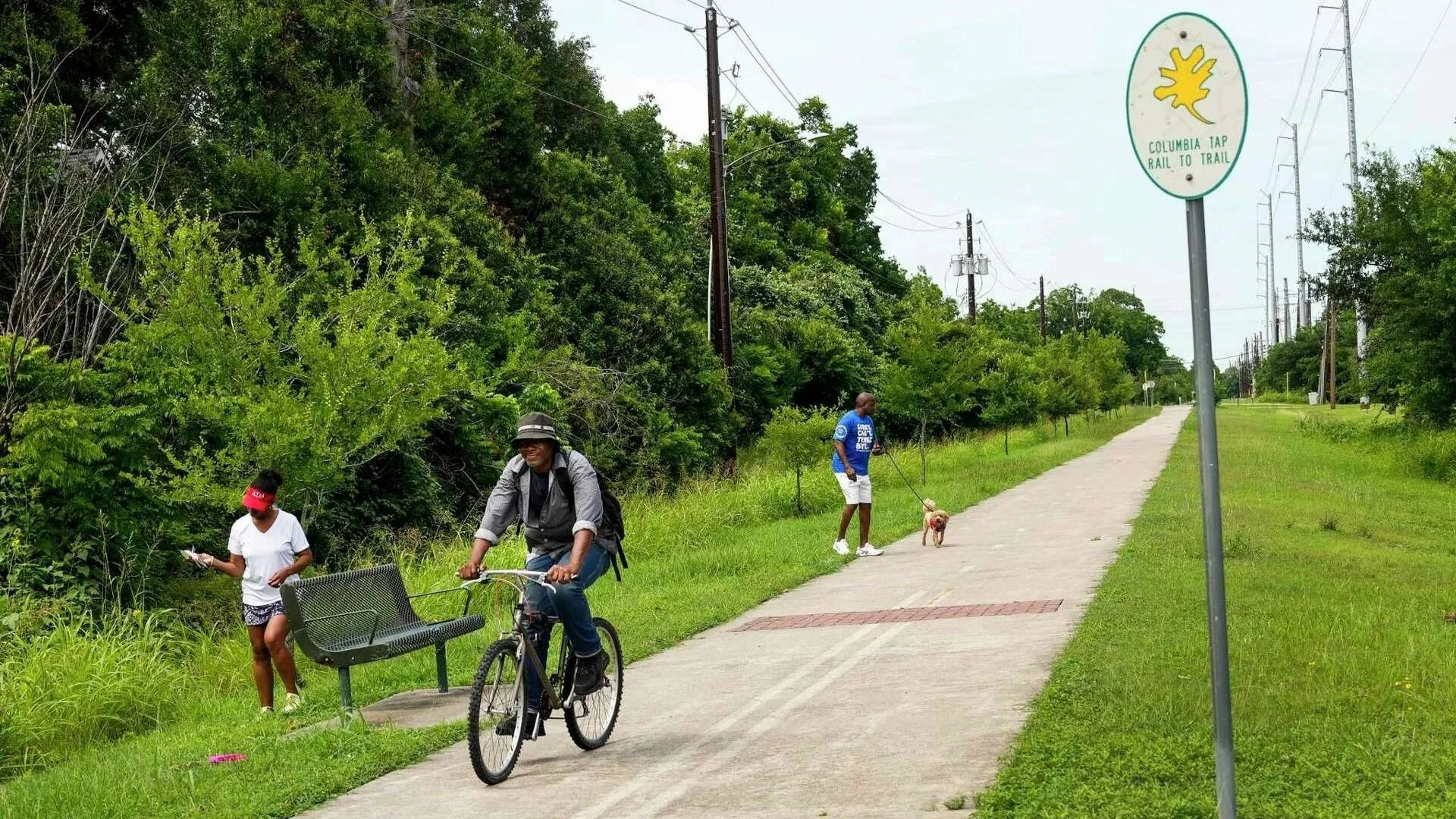
In Houston’s Third Ward, along the historic Emancipation Avenue and the Columbia Tap Trail, we aren't just looking at paths and pavement; we are looking at the vital organs of our community.
The Corridor as a Defense and Offense
To defend against the destabilizing forces of rapid gentrification, we must control the land. To go on the offense and build generational wealth, we must influence its use. Corridors are the economic base of our environment. When ownership is localized, the "livelihood of the area" isn't a line item on a REIT’s spreadsheet—it’s a representative reflection of the people who live there.
The Philosophy of Small: A Tactical Shift
We need to move away from the "mega-block" mentality and adopt a Philosophy of Small. This is the core of our "Connecting Corridors" initiative. We are championing:
Missing Middle Housing: Duplexes, fourplexes, and cottage courts that fit the neighborhood fabric.
Incremental Uses: Utilizing shipping containers, food stands, and walk-up "juice shops" to activate vacant lots.
Rehabilitation Over Demolition: Repurposing existing structures to maintain cultural continuity.
As the Brookings Institute and the APA Housing Accelerator Playbook highlight, the most resilient neighborhoods are those that can adapt incrementally. Large-scale developments are brittle; small-scale, local developments are agile.
The Relaunch: Connecting Corridors
February 2026 marked the initial groundwork laid the groundwork for relaunching the "Connecting Corridors" vision, focusing on identifying "Lost Spaces" along Emancipation Ave and Columbia Tap Trail. We discussed how these underutilized assets could be the catalysts for a new type of community-led development.
What you missed: We dove into the history of our corridors—from its roots of the Tap trail as a rail line built by enslaved labor to its potential as a green spine for the Third Ward to the electic history of Emancipation Ave as an economic engine. We identified the hurdles even began identifying hurdles such as outdated policies that measure a 200-square-foot walk-up shop against the same grease-trap and parking standards as a 5,000-square-foot chain restaurant.
What’s upcoming: Our next meeting at the relaunch will move from visioning to execution. We are exploring partnership models along Emancipation Ave that prioritize intentional disposition—ensuring land ends up in the hands of those who intend to serve the community, not just extract from it.
What It Takes: The Toolkit for the Urbanist DIY-er
To be effective, we need to dismantle the barriers that keep local developers out of the game. Our movement is calling for:
Innovative Financing: Moving beyond traditional banks to embrace Crowdfunding and Recoverable Grants.
Right-Sized Policy: We need "no-interest loans" and "rolling applications" for funding. The local developer isn't incompetent; they are capital-constrained. They can’t wait 18 months for a city permit while interest accrues.
Coalition Building: We must raise awareness through organizations to influence policy. We aren't just asking for resources; we are demanding a quality of life that matches the historic value of our neighborhood.